
Abuse
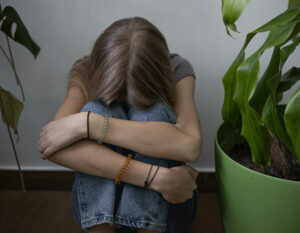 Child abuse is when anyone under 18 is being harmed or isn’t being looked after properly. Sometimes a young person can be abused by a stranger or by another young person, but usually they know the person who is hurting them or making them do things that they should not. They can be abused anywhere; at home, at school, a local sport centre or after school club. Sometimes someone else knows what is happening, but they don’t stop it. This is wrong too!
No one has the right to hurt you, whether it is members of your family, acquaintances, strangers or people your own age (also see bullying). You have a right to be cared for in a way that does not harm you physically or emotionally. It does not matter if you are living with your parents, are in further education, a member of the armed forces, in hospital, prison or a young offenders institution.
You should talk to someone, for example an adult who you trust and you know will try to help you.
Who you talk to will depend on what you are worried about and who the adult or other child is who is causing your worries. You can talk to:
- Your parent/s or carer
- A relative
- A neighbour or friend
- A professional such as a teacher, school nurse, doctor, youth worker, health visitor, social worker, police officer or anyone else you trust
- Or call Childline on 0800 1111 (you do not have to give them your name, or tell them anything that makes you uncomfortable).
- You can also contact the NSPCC on 0808 800 5000 for children and young people. They also have a website www.nspcc.org.uk/kidszone. You do not have to give them your name, unless you want to.
- Another helpful websites with helpful advice about what to do if you are worried or scared is worriedneed2talk.org.uk.
- There4me.com is a website that covers issues like abuse, bullying, exams, drugs and self-harm. It there’s something bad that’s happening and you want to know what to do, you can contact people who can help thought the website and no one else has to know.
- In an emergency call the Police on telephone number 999.
It can sometimes be hard to tell someone else how you feel. You might feel embarrassed or worried about the person’s reaction or what might happen next. Although it might be difficult, it is important to talk to someone. If the person you speak to does not take you seriously, speak to someone else. Many myths exist, so for the record:
- Parents are responsible for their children’s safety.
- Children’s Social Care (previously Children’s Specialist Services) become involved once a concern is shared.
- Decisions about abuse need careful assessment.
- Children are best cared for by their own families.
- Professionals want to work in partnership with families.
- Very few children are removed from home following abuse.
Whoever you speak to should listen and decide the best way to help. Children’s Social Care will probably need to share what you have said with someone else who has more experience of keeping children safe. It may take time to involve the necessary people and to decide the best action to take. You should be involved in any decisions as much as possible and told what will happen next.
Children’s Social Care need to find out what happened and why. The most important thing to remember is that you’ve done nothing wrong. You’re not in any kind of trouble. They want to see if you need our help.
When they’ve spoken to all the people they need to speak to, a decision will be made as to what should happen. It may be that nothing needs to happen. Or they may give your family some help and advice. Sometimes they need to call a meeting called a Child Protection Conference to make sure that the right people are ready to protect you and that the help is properly organised.
To speak to a social worker call 020 8871 6622. Outside of normal office hours (after 5pm weekdays or on weekends) call 020 8871 6000.
Types of abuse
Find out about the different types of abuse:
If any of these things happen in your home you might be living with domestic abuse:
- Family members get sworn at or called names
- Adults argue or fight a lot
- Someone gets slapped or kicked
- Someone smashes or breaks things in the house when they are angry
- Someone in your family feels scared or gets hurt
Domestic abuse usually happens between adults who live together. It might involve one adult hurting another, being unkind or threatening or frightening them. Although domestic abuse is usually a man hurting a woman, it can also be a woman hurting a man. It can also involve brothers and sisters, uncles and other family members.
Domestic abuse harms children when they hear or see it going on, and sometimes they get caught in the middle of a fight.
Adults in families often try to keep the domestic abuse a secret and might ask you to keep it a secret too. However it is very important that you talk to someone you can trust so that you can get help for yourself or anyone who is being hurt in your family. You and everyone in your family has the right to feel safe and happy at home.
Physical abuse is when someone hurts a young person on purpose. There are many forms of physical abuse:
The most common types of physical abuse include:
- Hitting
- Punching
- Shaking
- Throwing
- Poisoning
- Burning
- Scalding
- Drowning
- Suffocating
- Making a young person ill
It Follows Me Around – A child’s physical abuse story from ChildLine.
Lots of young people experience physical abuse. It can be at the hands of their mum or dad, sister or brother, a boyfriend or girlfriend. It may happen only on the odd occasion, like when someone has been drinking, but this is still very wrong.
It is important to remember that it is never your fault. It doesn’t matter if you have done something to upset someone, they should never hurt you.
If you are living with someone who is abusive you might be worried about:
- Your brothers and sisters, or your other parent getting hurt
- When it will happen next
- Your abuser getting in trouble
- That you will have to go in to care
There are people you can talk to about any of these things. You can call the WSCP on 020 8871 6622 (after 5pm weekdays or on weekends: 020 8871 6000) or call Childline on 0800 1111.
If you are worried about a friend then you should try and talk to them. You should encourage them to call Childline or speak to a teacher or another trusted adult.
The Childline website offers more information on physical and other types of abuse, and provides more contact information.
Sexual abuse is when a boy or girl is told, asked or forced to take part in sexual activities. It does not matter if they know what is happening, or not.
There are different ways in which a young person can be sexually abused. Some examples are:
- Having someone touch their private parts
- Making them touch someone else’s private parts
- Involving them in the making of films, videos or DVDs or taking photos and videos on mobile phones that involve sexual activity
- Making them watch sexual behaviour, or
- Making them do sexual things either to themselves or with other people
Being sexually abused is a horrible thing to happen and can leave you feeling frightened and confused. But please remember, it is not your fault, never blame yourself for what happened.
It is important that you talk to someone if any thing happens to you. You can call the WSCP on 020 8871 6622 (after 5pm weekdays or on weekends: 020 8871 6000) or call Childline on 0800 1111. Here’s a video about calling Childline.
If you are worried about a friend then you should try to talk to them. You should encourage them to call Childline or speak to a teacher or another trusted adult.
The Childline website offers more information on sexual and other types of abuse, and provides more contact information.
Emotional abuse is when someone does or says something to make you feel sad, scared or bad about yourself.
It could be your parents, siblings, teachers or people your own age who abuse you emotionally. It is even possible the person, or people, making you feel this way do not know what they are doing, but this does not mean it is not abuse.
This type of abuse does not leave scars and bruises on the outside so people do not always see that you need help. Be sure to speak to someone if you feel that what is being done to you needs to stop.
Examples of emotional abuse are:
- Being constantly told you are wrong or not good enough
- Being unfairly blamed for everything all the time
- Being told that you are stupid
- Being made to feel unhappy
- Being called nasty names
- Being told you should never have been born
- Being told to do tasks you are not old enough or can not really do
- Seeing or hearing someone from home being hurt by another member of the family (domestic violence)
- Being bullied
- Being made to feel frightened or in danger.
- Being over protected, like not being allowed to ever play or go out.
Words Can Hurt – Verbal abuse and emotional abuse video from ChildLine.
There are people you can talk to about any of these things. You can call the WSCP on 020 8871 6622 (after 5pm weekdays or on weekends: 020 8871 6000) or call Childline on 0800 1111.
If you are worried about a friend then you should try to talk to them. You should encourage them to call Childline or speak to a teacher or another trusted adult.
The Childline website offers more information on emotional and other types of abuse, and provides more contact information.
Neglect is when a young person is not being looked after properly and their very basic needs are not met.
This could result in their health or growth being damaged. These ‘very basic needs’ include:
- Food
- Shelter (a safe place to stay/roof over your head)
- Safety in the home
- Not being left alone in dangerous situations
- Proper clothing
- Good cleanliness (being allowed to wash/bath often enough)
- Being kept warm
- More help for vulnerable children
- Medical treatment if necessary
- Protection from physical and emotional harm or danger.
Wants and Needs – a video about emotional abuse from Childline.
Neglect is when you aren’t getting any or some of the things above. For example:
- You may be left alone to care for other people too often
- You are not looked after when you are not well
- You do not have clothes that fit you or keep you warm
- You don’t get the support you need from the person who looks after you
- You aren’t given enough, or the right type of food
- You may be left alone for a long time, or left alone with people you don’t trust
- You are left with nowhere to stay
There are people you can talk to about any of these things. You can call the WSCB on 020 8871 6622 (after 5pm weekdays or on weekends: 020 8871 6000) or call Childline on 0800 1111.
If you are worried about a friend then you should try to talk to them. You should encourage them to call Childline or speak to a teacher or another trusted adult.
The Childline website offers more information on neglect and other types of abuse, and provides more contact information.
Female genital mutilation (FGM) is a form of child abuse common to some African, Asian and Middle Eastern communities in the UK.
This illegal and very dangerous initiation ritual can leave young victims in agony and with physical and mental problems that can continue into adulthood.
Sometimes the young person can be taken out of the country or it can happen at home. Either way it is usually carried out in secret and often without anaesthetic, it involves the partial or total removal of the external female genital organs. The procedure can cause:
- Severe pain
- Shock
- Bleeding
- Onfections such as tetanus, HIV as well as hepatitis B and C
- Organ damage
Victims are usually aged between four and ten, but some are babies.
Childline provides more information and answers questions you may have about FGM. You can also contact Childline on 0800 028 3550 for information and support if you know of someone or have been a victim of FGM.
More information from the Wandsworth Family Information Service.
Where to get help
If you think your parents, carers or you are in an abusive relationship and you want to stop the abuse or leave, there are a number of agencies that can help. You are not alone and do not have to suffer in silence.
In an emergency please call 999.
Childline: 0800 1111
You can find further sources of information on our links page.